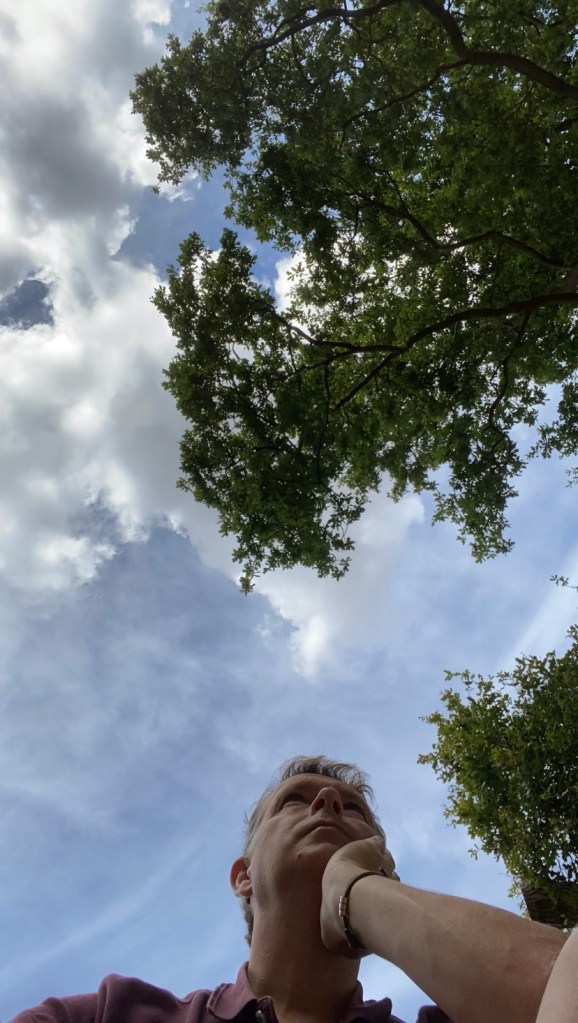
In a far corner of an old deer park I rest for a while beneath century-old oaks, perched amongst tussocky grass on a log with just enough movement to rock gently back and forth. As I settle a glittery turquoise dragonfly zigzags by.
After a while I close my eyes to ‘tune in’, first to grassy stalks that tickle my ankles, then to the coarse bark that will no doubt leave an impression, soon after though, to the gentle waves of warm breeze that pat my legs and cheeks. The aroma is, as I’d expect, carrying a distinct whiff of deer and sheep.
Alternative layers of sound now begin to present themselves. Engines, one from a small propeller plane buzzing whilst ascending from the nearby airfield, then another more distant roar from a jet passenger plane passing high above. Both though are eclipsed, to me at least, as I restore focus to the nearer sound of the breeze that is rushing over, around and past countless oak leaves in the tree tops overhead.
Clouds moving constantly towards the southwest provide distinct periods of lightness and shade, warming on the whole but occasionally less so. On today’s summer day it is sandals and shades, tomorrow, due soon enough it’ll be boots and scarves.
On this day though, I’m enjoying just a few minutes idling, just listening and looking; valuable moments of peace in an idyllic location. All moments sat on this uneven log are well-spent ones as they progressively calm, nurture and nourish my own personal inner being.
As I tune in to everything around, expectations on me and my world, for a few moments at least, diminish. Schedules, plans and priorities are subdued, ambitions and worldly goals are hidden, as the environment around me speaks ever louder. Even the interruptions of passing engines leave me feeling no: not me, not now, not today, I’m happy right here on this piece of wood.
I’ll return to that log, to those aromas and the ankle-tickling grass again this week during moments of remembrance. Closing my eyes will transport me back so that I can again listen to the trees and feel the sun’s warmth on my skin.
The value of managed landscapes is immense, and I urge anyone, if you’ve not already done so to find your log, your bench or place to park, relax and free your mind. I can’t recommend it highly enough.
Hello and welcome to my Gardening Ways blog, where this time I shine a light on being a gardener, a life in horticulture if you will. I’ve not written for a while, so without wanting to shower you with excuses, I’ll simply say that I’m here now, I’ve thoroughly enjoyed the process of putting this post together, and that for someone, I hope it proves useful.
You might be familiar with the situation where you find a subject intriguing, so you read up to learn a little more about it, maybe through some magazines or via websites. Then, after your interest is piqued, you move to immerse yourself in the topic in order to fill up your knowledge bank. But somewhere along the way, when you’re feeling like you pretty much have it in the bag, you realise there’s an awful lot more to know. You might then feel as though regardless of how much you now try to absorb, you just can’t learn enough, there might even be bouts of imposter syndrome.
Horticulture, for me, has been like this. For anyone though, it might be an instantaneous fascination of a single plant or flower, or maybe a new responsibility of caring for a garden space. Whatever it is, if you are drawn into the world of plants, gardens and horticulture, be prepared for a subject that will both embrace you and unfold before you. Furthermore, should your interest nudge you to consider horticulture as a career, be aware that it’s as deep and broad a subject as any other, and if you stay the course it can offer a lifetime of learning, discovery and fulfilment.
I will say however, that those who do choose horticulture as a career path will not necessarily have an easy journey. Metaphorically speaking, there will be locked garden gates along the way, many doubters of your ability and worth, and sphinxes will sit besides the path posing challenging riddles for you to solve. Some of those gates will swing open and riddles will be solved, but as with all journeys there will be new distractions and opportunities as we progress. In short, I’m saying be prepared for a bumpy wheelbarrow ride!
As with many other trades I’m sure, a working life in horticulture means that you will meet and learn from many inspiring individuals, and I think this is of prime importance for anyone’s journey. Key characters from my past, even from years ago stay fresh in my mind. I can sit here now and be transported to points where one fascinating person or another stood in a garden, waxing lyrical about the place and its qualities, or about a plant and its history, medicinal use or some other revealing aspect.
In my mind I can step back in time and stand before wise figures from the horticultural world, some indeed who have long since departed. They inspired me back then, and I was fully aware of it. Interestingly though, those people inspire me now, each person’s wisdom, calmness, excitable or focused character still today, feeding my spirit. Even those who miss named plants, or followed horticultural practices I might have considered out-of-date; still taught me lessons.
As you journey, many characters specifically sent for you will offer similar lessons. Whether it’s Monty Don delivering his Friday night tips for seed sowing, a teacher unraveling botanical science, or a guiding figure who sowed sunflower seeds with you as a child; almost every one of them will have a part to play in helping you reach your green ideals.
However we journey and whoever we encounter, our experiences will stick with us. Horticulture and gardening can embrace us, push us, carry and care for us too; plants putting food in our bellies, ointment on our skin, clothes on our backs and shelter over our heads. I won’t even get started on the wellbeing aspect of horticulture!
Personally, I approached this post having trodden, crunched, stomped, laboured and slipped my way along a good few garden, woodland and parkland paths. I feel I’ve served my time on finger-numbing brush-cutters, chipped teeth on wayward tree limbs, fallen out of shrubs, scrubbed too many spark plugs, and latterly have stared into the depths of far too many spreadsheets. However, I’ve also witnessed the most heart lifting sun rises and sets, and have held my breath when wildlife came close. I’ve worked in some of the most awe inspiring spaces, and I don’t know where to start when considering the plants (friends) I’ve met and brought into the world.
There is however much more for me yet, as when I cast my mind back to all the incredible places I’ve been and the wisdom filled people I’ve encountered, I still have a desire to experience more. I wouldn’t change most of what’s happened, but I do want to influence what is ahead; because there are so many wonderful plants, gardens, landscapes and people out there. I can only hope I have enough time left!
Naturally, it’s not all about taking risks as it might read above, but it is about considering, carefully, your route. Think about where or what you want to be doing further down the line, and if it’s hard to picture that, get yourself out to places for consideration. Sit on a garden bench and ask yourself if the place has, or could, hold enough diversity to keep your interest. Invite yourself or volunteer at a nursery to see if production horticulture could be your thing, or even try a short distance course to learn the ropes.
If you’re starting out or considering a career in horticulture, then I hope to have said a few words here that will be of use. I’d like to finish by saying the following about my own world of horticulture, give you my view of gardening if you’ll allow:
Do not in the least be put off by that breadth or depth I mention above, but be inspired by the diversity of options and the many layers. Explore as many paths as you can, as early as you can, be inquisitive and ask lots of questions. Consider specialising in particular plants or techniques yes, or being a generalist; and having complete confidence in that. But please don’t ever expect to know it all; just be prepared to learn a good deal, over a good deal of time, and keep an open, broad, mind.
Remember that it’s brilliant and inspirational to be someone who holds encyclopaedic knowledge, but it’s also ok not to know a plant name, not to know when to prune a particular shrub, or not to have visited that world famous garden.
Horticulture is so vast a subject and full of opportunity that it is enough to simply keep plodding and to hold a steady job, as it is to keep venturing; just remember that both routes can be enjoyed all the more if you retain an appetite for learning and discovery, and you stay prepared for change and adaptation.
To be, or not to be a gardener, the choice is yours!
Many thanks for reading to the end, if it’s triggered any questions, I’d be very happy to answer in the comments section, or you can message me on Twitter or Instagram.
Hello and welcome back to my gardening ways blog. It has been a while since I last showed up, but many thanks for stopping by. I hope you’ll find something to delight, entertain or connect with, be it a few moments pondering my weird take on a life in horticulture, or enjoyment of a few carefully selected seasonal images and notes.
If you know my blog, you’ll know the importance I place on images which contribute hugely to whichever piece I’m presenting. You’ll understand, that for the first time in I don’t know how long, I’m jumping straight into the writing, and the images will be randomly squeezed in afterwards. This isn’t due to a shortage of pictures by the way, but more related to my present state of mind. In the next few lines, all will become apparent, as they say!
A manipulated image of my good self at work on the allotment.
The different approach to this post is due to the strange horticultural path I feel I’m treading just now, balanced precariously as I am between a garden consultancy role, restoring an allotment, and establishing a new garden at home. (This lifestyle shouldn’t come as too much of a surprise if you know me at all!)
I don’t think I’m different to many other people, in as much that I’m inspired regularly by my surroundings and situations, and I’m increasingly driven to capture them in some way. To this end, I’m usually to be found snapping pictures of flowers, bees, beetles and anything garden-like, in fact anything ancient, artistic or horticulturally trivial that captures my attention. I’ll often lag behind on an outing, only to have to hurry to catch up because I got caught up taking some pictures!
Another property on my patch, so to speak: Woolsthorpe Manor, with Newton’s apple tree.
In the last week alone, I’ve filmed clips of freshly shooting trees, grazing deer, potato planting, potting-up in the garden, dragonflies resting, and both wild flowers and roses swaying in the breeze. It’s all linked I think, yet makes my photo archive something of a random mix of visuals. You might experience a slither of the experience were you to scroll down my Instagram page!
The random nature of my imagery has become all the more varied since taking a major personal turn in direction towards the end of last year with, as mentioned previously: a new home, a new allotment and new job. I’ve always collected images of course, but now they’re from here, there, and seemingly everywhere!
An important little seedling Rowan tree, its family line stretching back to a family garden two generations back.
However, despite the head-filling work days and remaining no-time-to-rest hours left over each week, I feel duty bound to record a post that in some ways will capture this moment in time for me; a time when some days deliver intense frustration or exhaustion, whilst other days can present moments of complete fascination, enlightened discovery and new levels of personal fulfilment. It’s hard to explain, bu oh what a woven web we weave.
If only I could stitch all the good moments together and edit out all the bad. If the whole journey could flow and not switch lanes every five minutes. If the rain only fell at night to refresh our gardens. It would be all perfect and life would be more enjoyable, right? Wrong? Who knows.
What I do know is that it’s usually a matter of balance, in as much that the challenging moments often make the special moments even more special; a case of yin and yang I guess.
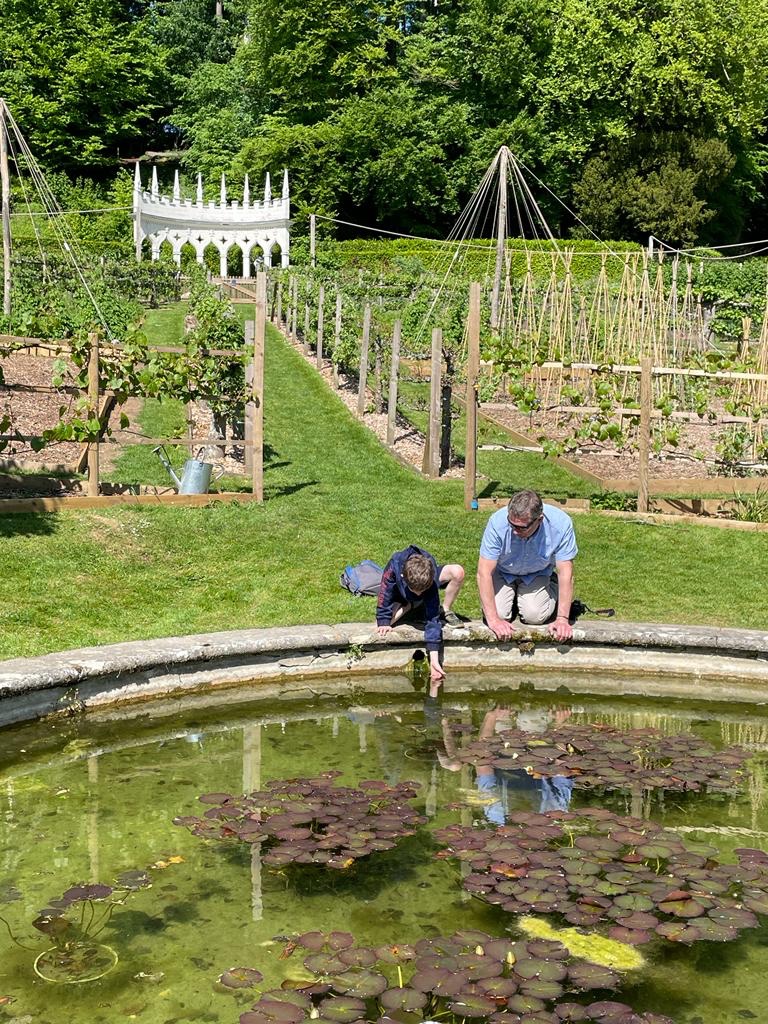
A special moment studying tadpoles with my lad at Painswick Rococo Garden.
The main body of text in this post doesn’t therefore tell a story, or record key themes as my typical garden journal posts would, but hopefully, in the spirit of openness, lets you know where I’m at mentally. The images selected, therefore, whilst not themed to the post itself will nevertheless be chosen to indicate the random nature of the days I’m experiencing.
If none of it makes sense, or is hard to contemplate, rest assured that plants are still there every day in abundance. Physical gardening, whilst randomly placed, calls me regularly, keeps me active and keeps my thumbs green, and my mental engagement in the horticultural world has risen to new, infuriatingly brilliant levels. It’s all very busy, and all very fascinating!
Berrington Hall, Herefordshire, acknowledged as ‘Capability’ Brown’s last landscape commission. Tomorrow I visit Croome in Worcestershire, also on my patch, & Brown’s first large scale project.
Putting all that heaviness aside, I do hope you’ve been enjoying all the growth that spring has brought. It feels as though we’re on summer’s doorstep now and its warmth is already wafting over our gardens.
I’ve enjoyed some catch-up sessions watching Chelsea Flower Show on TV, and despite my concerns over the whole shebang, I can’t help but be inspired by the creative people and entirety of the product; I hope you’ve managed to watch some or even visit the real thing?! (If you’re more of a Beechgrove fan, I’m right there with you too).
I’ll leave things there for now, but will in my closing words encourage you to stay positive, enjoy the flowers and keep in touch. Oh yes, and please do pass on the keys to a balanced lifestyle if you have them, I could do with unlocking its mysterious ways!
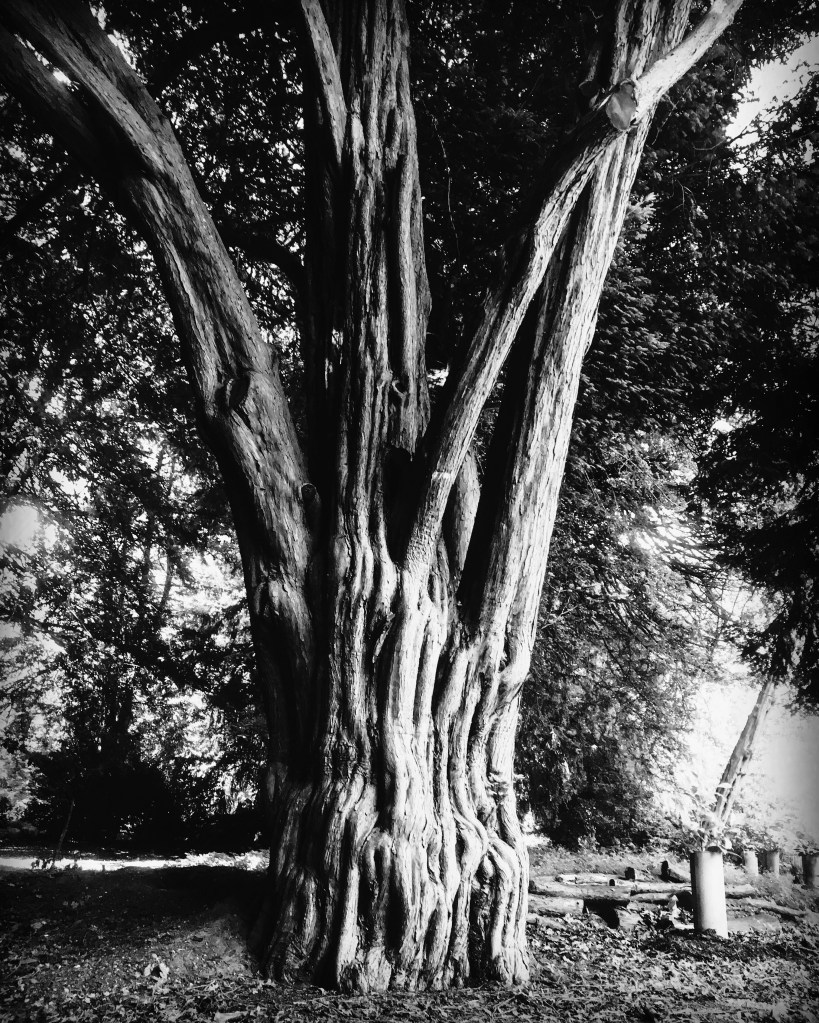
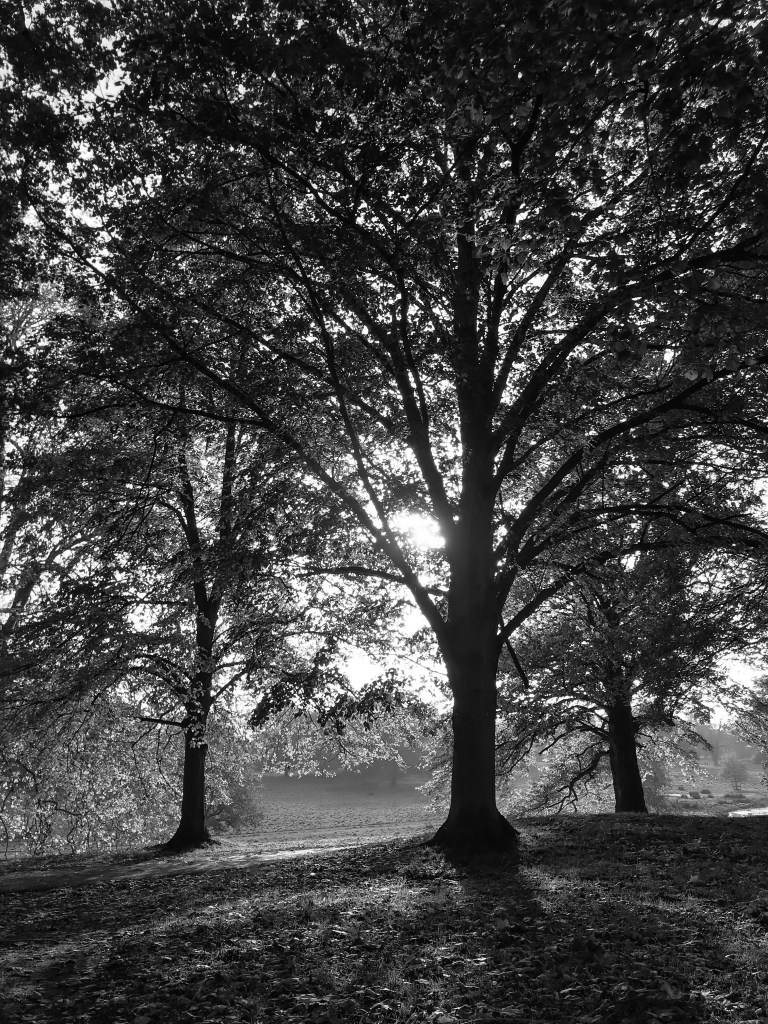
Tall, broad, weeping or not, most people love trees, even if they fail to realise it. Trees texturise our world, from landscapes with twisted ancient groves, in tucked away valleys, to clipped street trees or standard fruit trees in a homely garden.
Trees grow, attract, and enrich life, they even produce the air that gives us life. Yet, as tough as trees are, if storm events have taught us anything, it is that trees are at risk and vulnerable.
It is commonly taken that mature trees are solid and everlasting. Their roots will have spread far through the earth, having driven themselves between miniscule particles in every direction, anchoring every specimen firmly to its spot.
In many species, thick, ridged bark encloses and protects softer inner tissue within a trunk. Yet as we look higher, increasingly smoother and more flexible bark can be found cloaking branches, stems and twigs, where frequent breeze driven movement is guaranteed.
Trees then, with their strong cores, space owning crowns and flexible tops are dynamic, strong and resilient. They’ve evolved to endure, to last, and to grow in number in most environments, indeed, some examples are proven to have lived for centuries.
But when storms touch down, I worry, for each and every unshielded champion. Decayed twigs will rain down for sure, inflexible branches will fracture and fall, to spear the soil or shatter upon the ground below.
Wind waves will rock stems and heave root-plates until long established roots are torn apart. Trees therefore, our constant companions are vulnerable, and once touched personally by a storm are rarely the same again.
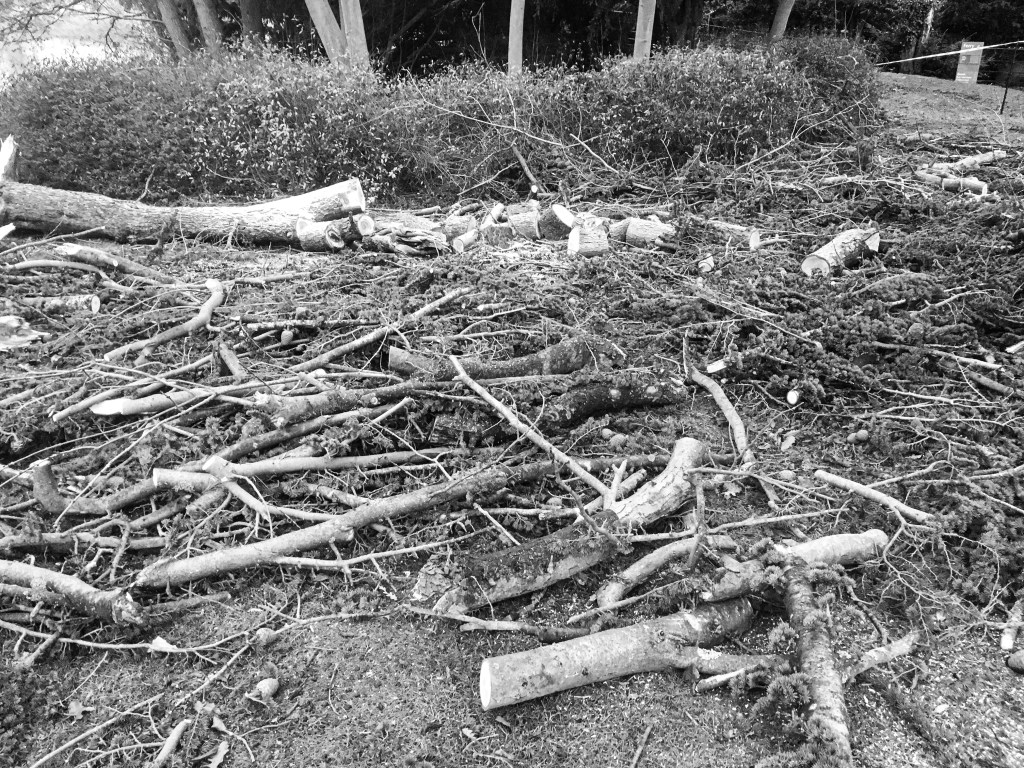
Seeing footage of trees snapping, shattering and toppling over recent days should leave an impression, as it has for many storm events in history. Having worked on many cleanup sessions where fallen wood lay strewn across wide areas, and where mud, sweat and tears were inseparable, I also feel for those who are tasked with the unenviable task of clearing away the remains.
Trees will always be at risk from storm events, that is a fact, and dealing with broken trees will always be a labour of love. But trees are, in the main, survivors. Like humans, they will in most cases find a way to endure and adapt, and it helps to take inspiration from this.
Trees and people are interlinked, and we must continue to invest in them and support their survival; especially where we’ve made environments so challenging for them. We have been fed, clothed, housed and warmed by trees since the beginning of time, we have even been transported around the globe by them, and we should respect that.
If then we lose faith in our trees, if we begin to worry that repairing or replanting a tree isn’t worth the expense, worry or risk, then I’d urge us as a community to think again. We must especially preserve veteran and ancient trees carefully, for unlike buildings, which have the potential to rise again from the ashes, trees never can.
Through any storm, irreplaceable, historically or botanically important specimens will fall, and their presence will be mourned by many. But in response, what should we do? How can we fill the vacant space that inevitably is left behind?
Practically, I suggest we look closer at the mechanics of any storm individually, and at each particular tree that has been impacted. I would also suggest looking to those trees nearby which survived the storm and ask questions of them: How did they weather the storm? Are replacements available in case they were to fall in future? Is there anything we can do to protect them? We must not just clear up and put the sorry event behind us, but learn from it.
There is much to learn from storms and the attention they bestow on our beloved trees. Survive them we must, but learn from the wreckage what we can before focusing on the new opportunities that will present themselves; for a new generation of life-giving companions.
Plant trees for your grand children, as they say, or plant trees for yourself. Whatever the reason; just keep on planting! 🌳🌳🌳.
Gary Webb,
Gardening Ways – a personal blog about plants and gardens.
I’ve been wanting to write a little piece about trees for a while now, but as often the way, it’s been just another post on the to-do list. However, when our friends on BBC Gardeners’ World produced a special program dedicated to trees, I was inspired to get out my notes and to revisit that post I’ve been meaning to write.
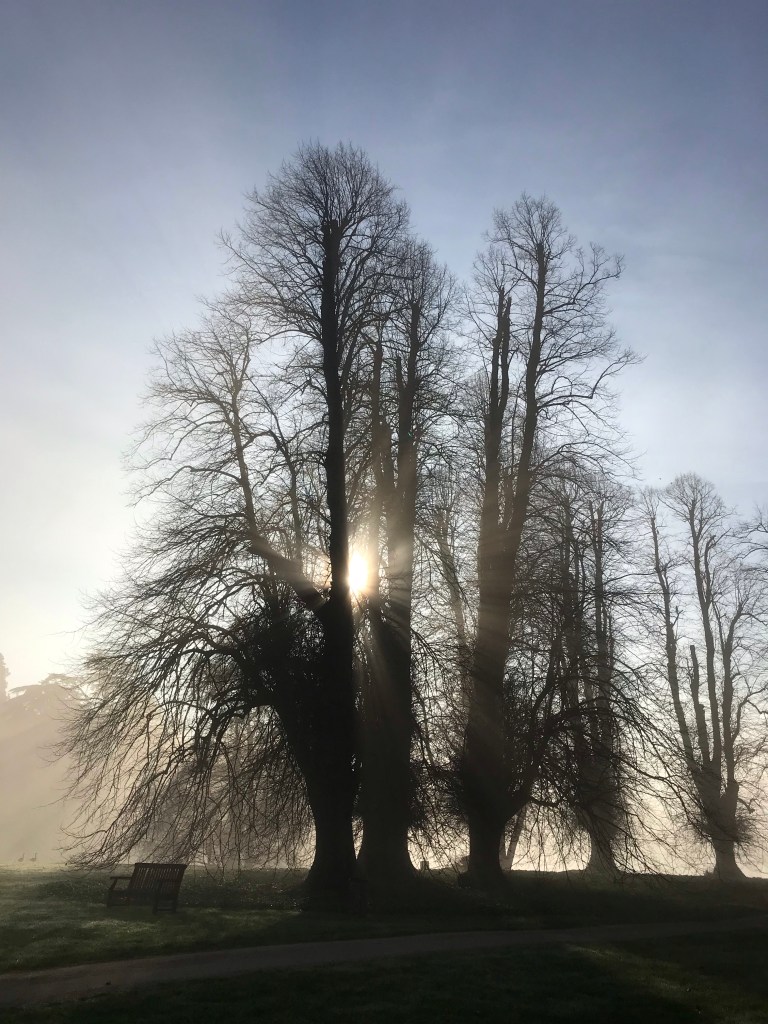
Limes in the morning mist.
Like many other people, I’ve a long held interest and fascination for trees, and not least for the fact they can grow from the smallest wind blown seed to enormous, living and breathing structures. How they establish a root hold and adapt their growth, melding with the environment they find themselves in is nothing short of extraordinary.
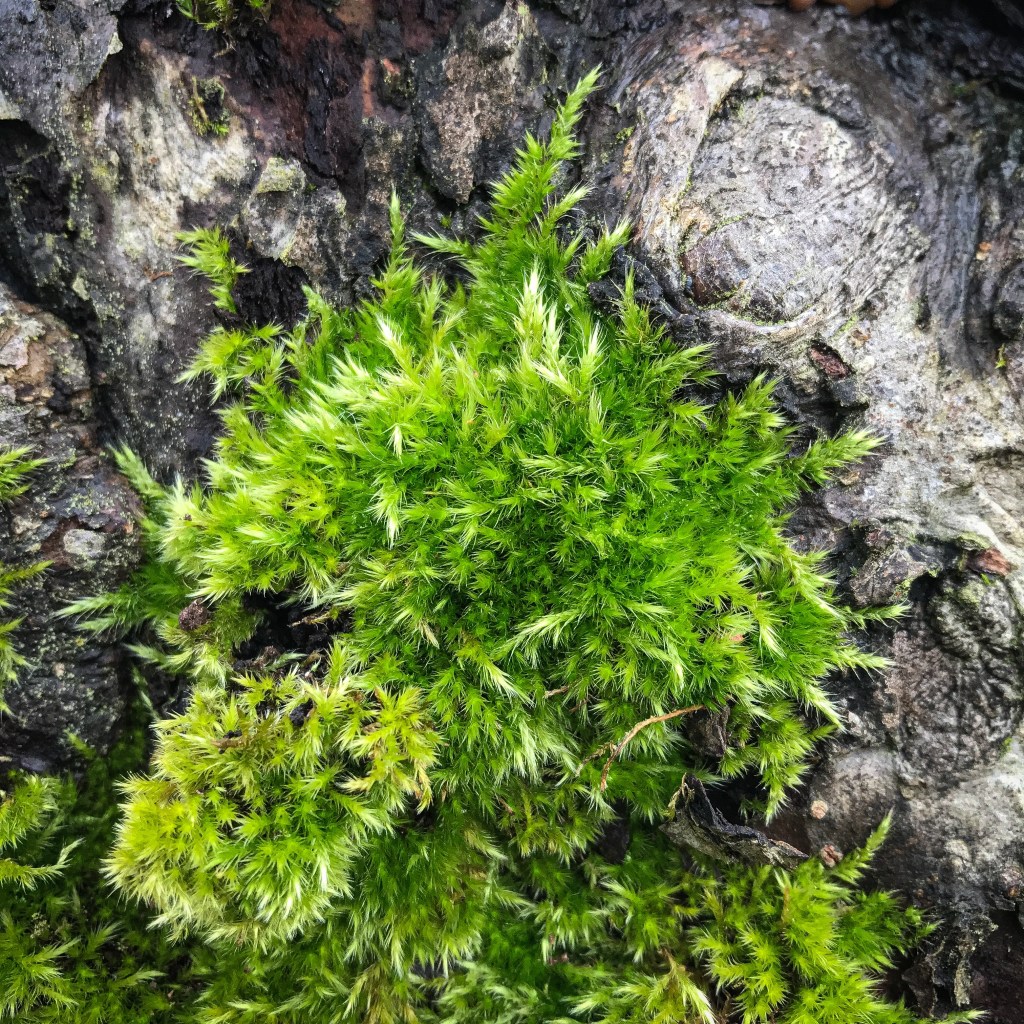
I was dazzled in the garden yesterday, and not for the first time by a patch of moss. This patch was part of a larger one growing very happily on the lower part of a tree trunk sheltered by hedges. The patch was soft but tough, rooted firmly to its spot and wrapped tightly around the west face of the tree – a shadier space in the garden could scarcely be found.
Its brightness captured my eyes for a while, shining as it was on a dull February day. One of those days when the sun only occasionally appeared, and only then like torchlight through the fog.
Garden blogging – what’s it all about eh? Why do I invest good money in a WordPress blog site, only to invest more valuable time in the creation and editing of articles? (Articles that generally get caught up in the tiniest corner of a loose outer strand of the World Wide Web anyway!)
A recent article of mine…
It’s cathartic and therapeutic, that’s why. It gives me opportunity to ponder the incredibly diverse world of plants and gardens, to consider the never ending revelations, and it gives me a very personal and creative outlet. This I believe is more important than the ‘stats’ behind any blog, stats that I don’t make time to study and play to anyway.
Many people have ownership or responsibility for an outside area, a conservatory or balcony. The idea though of actively working one of those spaces into a garden, of cultivating plants or improving that space does not always come easily.
“I’m not a gardener,” and “I know nothing about plants,” are statements I’ve heard many times, and it’s often through a fear of failing, of being judged or maybe, of having a space for growing but not knowing how to approach it.
Time’s well spent in the garden….
Now I’m not for a second going to judge or wag a green finger of disgust, because everyone is their own person, in their own unique situation and gardening shouldn’t be a forced activity. Indeed, gardening actively for some people can be next to impossible.