Loppers to Laptops – What AI could mean for Horticulture

Artificial intelligence is presently changing the ways gardeners find information, plan gardens and approach everyday work. In this personal reflection, I explore what AI could mean for horticulture – and why human knowledge, experience and communication still matter.
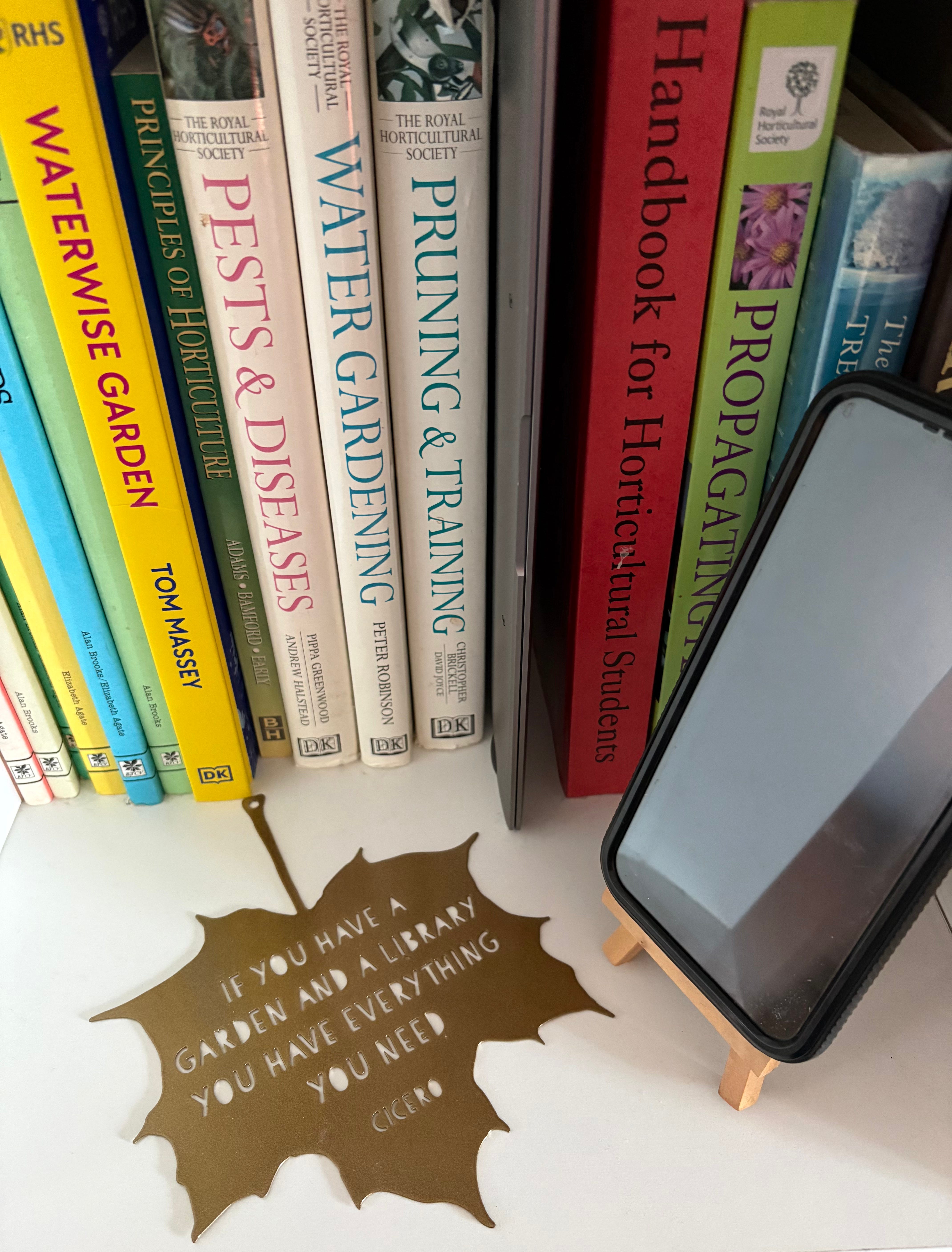
Like many folks I have always taken pride in being open to change, and through my horticultural career have frequently needed to alter my course and adapt to new working situations and technologies. Indeed, I could say that I’ve become accustomed to most tools of my trade from loppers and leaf blowers to laptops and laser pointers. However, something that once appeared as just another tool is now beginning to concern me, and that is the use of artificial intelligence (AI) in horticulture.

Before I dig into AI, it’s important to establish that down the years, whilst access to education and information is central, of prime importance is the influence of people, real folks who bring knowledge, lived experience and wisdom to each and every situation. Whilst we know that people can’t be right all the time, I’d be short-sighted not to recognise and value the people who guided me so well, and whilst I can’t fairly list them all here, they do stand side by side in my hall of fame.

Along my gardening ways though and for the delivery of my work, I’ve often needed to research things myself, seeking answers that in the main would have seen me reach for books from a nearby shelf. These days however, with the pressure of needing answers in-the-moment and whilst many of my dog-eared books gather dust on the shelf, I find that I’m more likely to reach for my phone and search for answers on a browser than to flick through a book.

Most gardeners it has to be said would shudder if called an expert, and aside from some stellar individuals, most certainly don’t retain deep wells of knowledge on which to draw in any given moment. To be able to source answers to questions therefore is part of the broad process that is gardening, be that from our own font of knowledge, through books, people, or dare I say, through the internet itself.

That said, the route to information thanks to the devices in our pockets has become established as the new go to, offering a world of knowledge and influence on tap. The world wide web has become something almost all have needed to embrace at some stage, and its use as we all know is embraced in educational settings. Gradually though, I’ve noticed that where previously I would have sought guidance from a good book, discussed a gardening challenge with my colleagues or searched online to find the top answers, these days the latter is most often delivered using AI.

But therein lies the issue, in as much that to ‘Google it’, whilst cutting short those traditional research practices I mentioned before, does also remove elements of the process that helps facts to sink in. To ‘Google it’ takes out, in most circumstances, any connection with a real person, thing or process, and more so now that Google comes incorporated with AI. Most will remember that prior to AI being used in a web-based search, a list of links to information sources would appear, which at least demanded a modicum of further research and source document reading; that is not always the case any more.

In not having information provided by people, though, or found through self-guided learning from trusted publications, it could be said that we’ve actually weakened our professional positions, or that we’ve harmed the process through which we learn; and I say that appreciating that not all people are comfortable in traditional learning environments. I also realise that times change and things progress, and that we need to adapt, but learning can be particular to an individual, so yes – books for some are a complete turn off.

Yet here’s the thing, all of that process, those people and the gardening world we know and care for is I feel at risk of racing away from us on an AI powered machine. On a day-to-day basis we might presently be carrying on much as we always have, but on the quiet, AI is infiltrating every corner of every livelihood, and we must not be blinkered. It doesn’t feel like we are being attacked, more like the solid oak framework upon which many of us have built a working life is slowly being taken apart and synthetically reassembled before our eyes without consent.

I am of course referring to that treasured thing that offers itself, for an undisclosed fee, as the virtual colleague with all the answers to all our questions. It’s an app (there are a few) that entertains and enthrals, allowing us to time travel, to monetise our existence and manipulate our virtual and real time presence. It’s that search box system that has slid effortlessly into our lives with a faceless supervisory air that in no short measure is going to reduce the value of human communication, research and learning.

To be clear, I’m no technophobe, and for many years have eagerly sought to keep pace with technology that can move the industry and myself forwards. I didn’t laugh at those early robotic lawn mowers, for example, although some who did now must watch goggle-eyed at the industrialised monsters that operate today. Neither did I baulk when battery powered machinery made its way into the tool shed with the intention of eradicating their air polluting forebears; after all, I’d spent far too many years with my nose just a few inches from obnoxious two-stroke exhausts.

Well over a year ago I’d say, I was readying myself for this new AI phenomenon, something that might just make our lives that little bit easier. Indeed, there was and remains much positive spin on how AI could answer some of the world’s challenges, and that alone brings hope. What I couldn’t foresee, however, was how quickly AI would spread, nor to what degree it would weave itself to my living world. Naively, I thought that embracing AI would simply be akin to levelling up our favourite search engines.

Now, like many others, and by way of AI searches and questioning, I admit to having dipped my toe in the murky waters, and in all fairness have been pleasantly surprised as to the power of AI and its potential uses. If you’ve tried an AI powered search engine lately, then you’ll know it has definitely levelled up the output on what search engines delivered previously.

Given an accepted degree of usefulness then, the use of AI is sure to grow, with the potential not only to answer questions, but to generate products too, which is where I have to draw my line. You, for whatever reason can draw your line where you choose, but in seeing the potential that AI holds as a tool for trade, I feel that as horticulturalists we could be on stony ground.

By way of an example, here’s one that illustrates how AI crossed my path, and might influence yours:

A client, be they a self-confessed amateur presented me with a winter walled garden cropping plan, produced with an AI app. Now in some ways I’m programmed to applaud their ingenuity as an early adopter of technology, and yes the plan, though simple appeared fairly sound, even it if did miss out on such details like geographical location, orientation, soil composition and micro-climates. The arrival of said plan however did signal to me a significant shift in how working tasks and relationships could be influenced going forward.

No longer will a gardener’s knowledge built over a lifetime of learning and discovery, be automatically respected, or their ability to spend time creating, after self-guided research a plan for this or that. The shift that concerns me here, and one to be mindful of, is how the transfer of knowledge will now move from the qualified professional in the workplace to a remote ‘expert’ source online; a source that won’t just support our work but will plan every last detail for anyone able to type search terms.

It may already have been the case for some employers and for some time, but in due course there will no longer be an automatic need to ask a gardener, when AI, that will only improve, will discuss and demonstrate every aspect of every possible task. Everything from border or whole garden design to cyclical maintenance planning, it can all now be sourced by anyone at any moment.

Just think on that for a while, and I don’t just mean in gardening situations, but in everyday professional situations, where time-served educated and trained individuals are actively employed. Every decision, action and process will increasingly be called into question by a complete amateur who is happy to use AI. Imagine turning up for a day’s work to be given an online generated list of work tasks to attend to.

In less than the time it takes to put the kettle on, the head-sourced responses from people like you and me will increasingly be called into question – until such point that we’re reduced to programmable puppets that just need a willingness to follow a process. For now, we may take solace in knowing that practising gardeners remain employable to attend to the physical tasks, at least until robots can do it on our behalf; but it’s worth remembering that real people once mowed all formal lawns, whereas ever-improving robot mowers often now rule the roost.

Now, it would be easy to cast these words here to the side, and to continue on your own journey of discovery knowing full well that AI is here to stay, and that is your prerogative. Personally, though, I feel so concerned as to the long-term impacts of AI on our industry, that I felt drawn to voice my concerns.

What is for sure, is that given the reported benefits of AI, its environmental impacts and security risks, it IS here to stay, and as a product it is already being widely embraced. Wherever each of us choose to draw our line therefore, there are others who are freely adopting it without concern, and with a total disregard to its impacts on people; whether to save time or money, for their own benefit, or simply to shortcut the route to information and to be more informed.

As a professional gardener, one open to continual learning and development, I do have a genuine concern for where AI is leading us. AI does have its place, and for sure its use offers real progress, but surely it will come at a cost, and I have real concerns as to how its impact, which is fuelled by questionable motives, will impact the people it is rumoured to help.

My toolbox isn’t equipped with an AI stop button unfortunately, and I know that we all will somehow have to keep pace with this careering new world system, but if these words count for anything, at least let them forewarn you of how quickly AI’s adoption might impact our industry. Today, it might simply be a phrase like “I’ll pop it into ChatGPT to see what it suggests”, but tomorrow it could be “we ran the challenge through ChatGPT and here’s exactly what we want from you today”.

The words of John Wooden come to mind, in that “if we fail to adapt, we fail to move forward”, and for sure, under the banner of efficiency I will always be an advocate for education and engagement. However, whilst each of us cannot expect to know it all, and as gardeners we may dance around the houses whilst searching for an answer to an on-the-spot question, it’s important that going forward we’re aware that length of service, knowledge and experience may indeed become undermined; or exchanged for a willingness to learn which is cheaper by the hour.

In other words, we must be clear as we step through the AI arch as to where it might be taking us.

Do you share my concerns or have an experience you’d like to share? Let me know in the comments.
The answer was in the garden all along

I knew something was wrong but it was the garden, as often the way, that helped me figure it out…

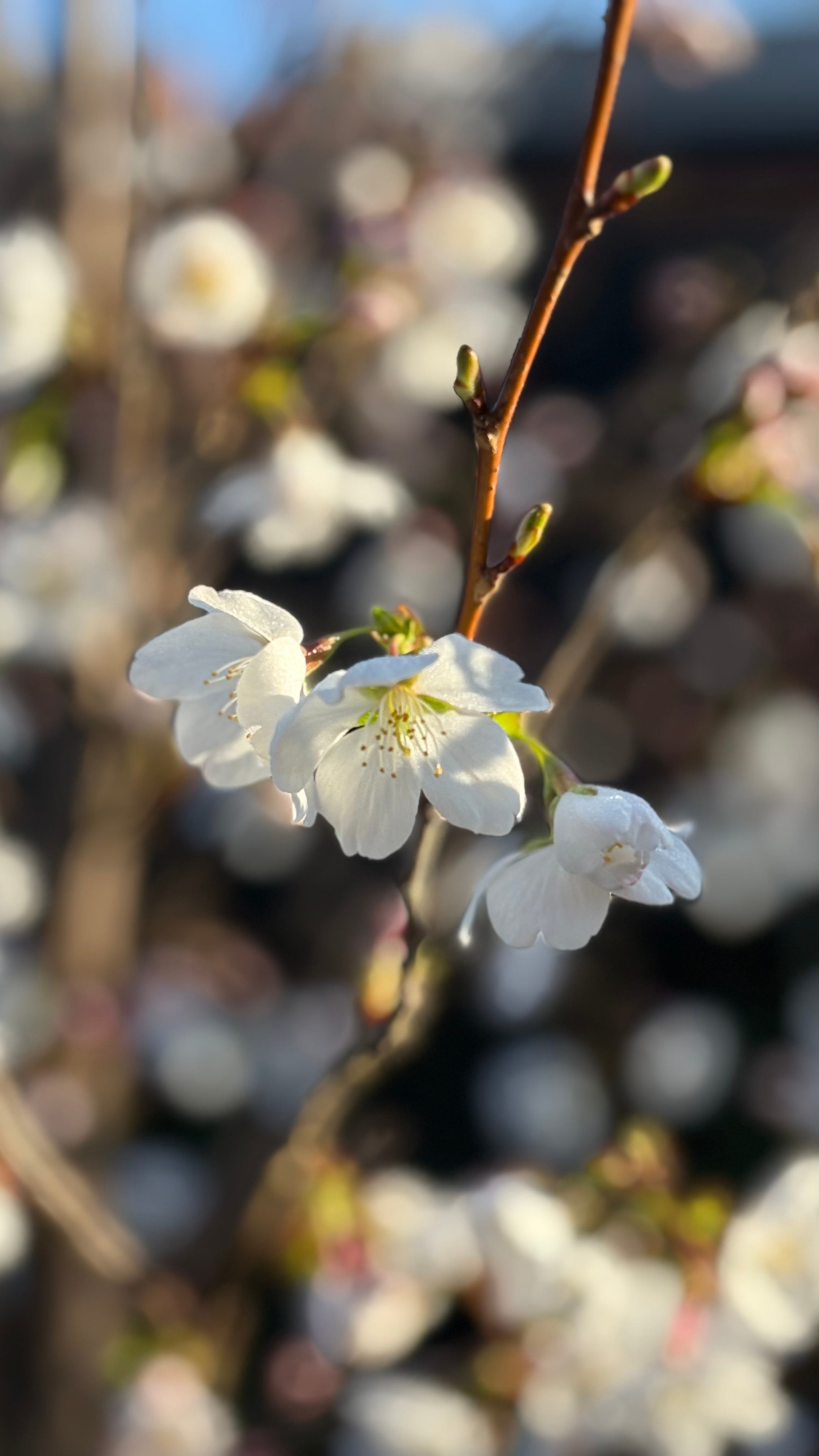
Upright, resolute and with its happiest face ablaze in the morning sun, my whippersnapper white flowering cherry tree shivers outside in a fresh spring morning breeze. Two blue tits are skipping amongst the twiggy birch tree branches, daisies are acting all daisy-like across the lawn and lavender cushions are covered in new season growth, yet something feels amiss.

White cherry blossom flowers washed in early morning sunlight
Cherry blossom doing its thing in my garden…

Tight bright pink ‘Jan Bos’ Hyacinth blooms are emerging from a terracotta pot newly planted last autumn. A chest high Acer is bravely pushing its first claw-like leaves out into the world, and along the fence line bright green ‘Mrs Robb’s bonnet’ Euphorbia stems stretch knee high to the sky as if to say, “don’t forget us!” The borders are clearly beginning to fill out right now but still, something is not quite right.

Continuing to study and quiz the garden, I tune into some long thorny rose stems that were tied down so very carefully back in February, where eight-inch new shoots now stretch upwards all along the stems – just as planned. Then my eyes pause on two box topiary shrubs that have rested tightly in their pots all winter, now whiskered with bright green tiny new leaves. Taking it all in, it is clear that the garden, following the longest wettest winter is now growing strongly again, but still, something is out of sorts.

Then it strikes me, it is this of course, not the garden but my writing that is out of line, where after an extended break I am once again deep in thought before a page, with a willingness to write. I haven’t stopped writing completely of though, if keeping a personal journal counts that is, but publicly my garden and nature inspired articles ceased to exist as we approached the end of winter. So why have the words from this Gary-made-good disappeared and what brings me back here today?

Well, until recently I would write each morning and almost every single day. I’d jot things down in notebooks or on my phone whilst out and about, and given a good chunk of time would hide myself away and type feverishly once a hint of an article had formed in my head. Then and without fail, I’d lose myself in a washing drum cycle of editing and re-editing whilst working to polish my creation into something half decent, before hitting the publish button and sending out into my tiny world.

For some time though my daily writing sessions have dried up, along with my articles too. It’s not for me to get into it here but suffice to say that life has weighed heavy for a while now, suppressing my motivation for gardening let alone writing; which is not me at all. My pens have collected dust in their pot, my laptop has been mostly closed and my creativity put on hold. Daily work has continued of course, but in no small measure have I been called to question again and again my working ways and gardening in general, so with all this in mind I’ve not had the will to write.

As I sit here today though whilst pondering my predicament, sun washes over the garden I previously described and the room inside is half in chaos. Furniture is piled high, dust sheets are laid down, and a half empty paint tin awaits re-opening so to coat another living room wall. A while later I’ll be taking one of my lads to the football through the Saturday traffic, and later still I will visit my dad in hospital; but right now and for the first time in weeks, I’m called to write.

Indeed, having fallen into a groove where I would do almost anything but make time to write, I now find myself sitting here with words bursting to get on the page. Things may be on pause for a little while and for sure, life is waiting to pull me hither and dither, but in this moment, I block it all out and write. 

Today then and for a while at least I shall roll with it, let the words flow, and go with that pull of creative energy that I know is life sustaining for me. It is not just the gardening, but the capturing of it in words that matters to me this day, and I must not hold that back come rain or shine or decorating for that matter. (Especially not for the decorating!) 

The garden will carry on being the garden, doing garden-like things, and work will carry on challenging me as it has for ever and a day. Little old me in the centre of it all however will sit here and write, come what may. Thank you for reading to the end, you’re one of my stars!

Gary Webb – Gardener, and yes: writer, dad, son and decorator too. (Whether some folks like it or not!)

When Clouds Dull The Day

Well, these first few weeks of the year certainly haven’t done anything to water down the notion that our nation is rain-soaked and dreary. I mean, yet again during daytime hours I find myself writing whilst knowing that I really should put the big light on! Nevertheless, as gloomy and wretched as the weather has been yet again today, beyond the large windowpanes all is brilliantly bathed by the sun’s light; even if filtered by a wishy-washy veil of grey cloud.

As I look out, raindrops cause tiny splashes as they spit spot across paving stones, with yet more droplets tapping lightly on the doorsill. Nearby and across a shallow pool surface silvery rings quickly erase each one that came before, and sky-lit watery beads build beneath branches, readying themselves to free fall into saturated soil below. Everything shows signs of moisture in a garden that’s already full to the brim.

Undeterred by the murk, fascination is still to be found everywhere out there however, my view being into a gardener’s garden of course. Mind you,

Continue reading →

January Garden

Possibly the grimmest day of the year so far, but somehow my garden pulls me through, giving much food for thought in the process. Potpourri, anyone?

In my neck of the woods most gardens would be considered ‘damp under foot’ for the duration of January. Unless you’re a professional or serious amateur gardener though, there’s probably not a great deal you’d want to do in the garden just now anyway. After all, January soil can be wet soil, I don’t want to play soil, stay away soil. It’s probably better to let the January garden be, if I’m totally honest.

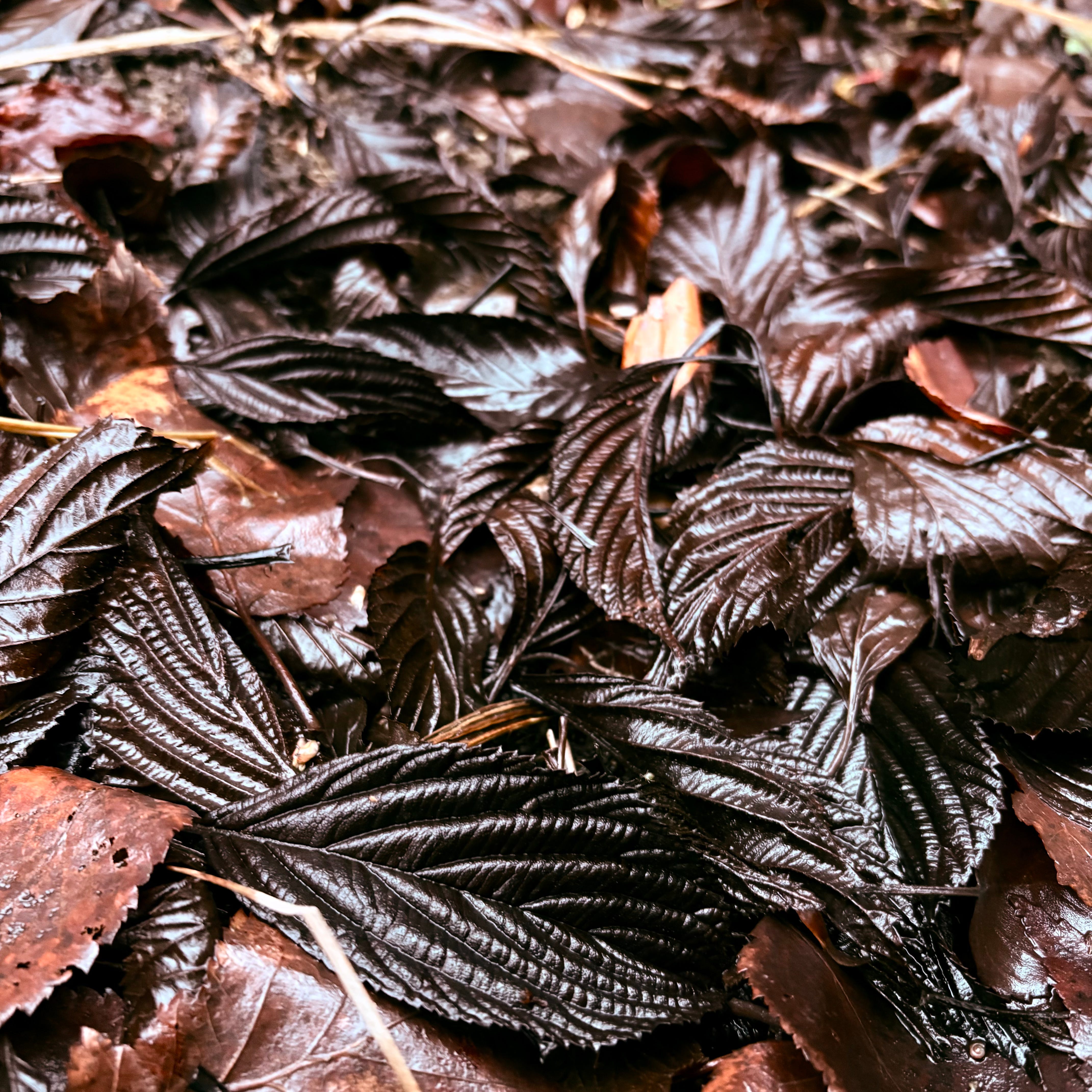
Birch and Viburnum leaves amongst others cloak much of my own garden soil today having layered themselves down like sodden potpourri. Initially having tumbled down, they’re now compressing after recurring rainfall, sealing the soil and locking out light, thus preventing growth of too many wild plants.

A mixture of brown leaves laying soaked on the ground, their ribbed and textured form still clearly visible in January.
All the leaves are brown…and the sky is… 

In the right quantity wild plants have always been dear to me, and decade upon decade my gardens have become more welcoming to their presence, softer around the edges you could say. Musing on wildflowers and gardens, I remember when wildflowers were once allotted a specific space in gardens, but now see further softening to their presence. Gardens now seem to be shape shifting, re-forming tradition through a shared desire to heal the world and help our pollinators; a kind of No Dig for Victory, I hear people say.

Where this will lead gardens I cannot say, as I’m unable to read a crystal ball, but a creative gardener’s desire to shape and improve will certainly see each place adapt and evolve. Not that a ‘traditional’ garden fixed in an old form is a bad thing, whatever a traditional garden is, that is. There’s certainly room for a heady mix of traditional and wild, old and new, as long as they’re nature rich gardens. As Alexander Pope once penned: “In all, let Nature never be forgot”.

Tripping over the labels we attach to gardens and gardening styles sometimes leads to words wasted, I feel, but questioning what a garden is can be fruitless too; a garden being something different to each and every person. USP’s aside, each garden is an intrinsically personal space to someone, even if it’s a shared space, so various opinions will exist as to how it should be formed or re-formed; and most will be just fine as long as nature’s requirements are considered.

In my own January garden, a diverse range of carefully chosen ornamental plants hold their stations, each either having gone to ground or is presently delighting me with some winter form and colour. Again though, labelling plants themselves as ‘ornamentals’ undervalues their role in the place that is my garden, a space where all the plants are fulfilling an important role in the local eco system. Yes, they’re aesthetically pleasing, but they’re useful in other ways too, be it for food or refuge.

Not especially useful to some people, as gardens go, my garden is completely useful to me, and to local wildlife. In the drier, warmer months my garden gives space to breathe and retire from the world, offering various niches where to relax and unwind. Right now, even though I fear to tread into it on the dullest of winter days, my garden entertains. Perimeter planting waves in the wind, cloud pruned box reminds me where I’ve been, and raindrops animate a mirror pool. Yet it is the plants, regardless of their origin, that stand up to the grey day, offering life and foraging places for wildlife.

Whilst I ponder January and observe the seasonal wheel as it turns, rain continues to fall across my garden. It may not be an easy time for all natural things, or for gardeners come to that, but for this gardener on the grimmest of days, my garden’s seeing me right. I believe it’s time for a winter brew.

Gary Webb.

Old Spades, New Gardening Ways

This article is a reflection on the shifting nature of gardening and considers how old methods like double digging fit into modern, sustainable practice.

I’m sure this could be applied to many activities, but if there’s one thing I’ve come to understand about gardening, it is that nothing stays the same for long: places, processes, people and of course plants themselves continue to change. There are many examples of how change plays out in life of course, but the one I pull from my gardening hat today concerns an old gardening task known as double digging.

Whilst in practice double digging wasn’t expected or carried out nearly as often as one might think, by the time I encountered the technique it was long established; a trusted method for preparing compacted or depleted ground. Whether working an allotment or old kitchen garden therefore, digging down two spits deep, incorporating organic matter and inverting the soil was considered a route to success.

Possibly due to my working situations, I didn’t often get to put my double digging skills to use, but I certainly held faith in the procedure. After all, like it or loathe it, the DD process adds nutrients and humus, opens and aerates compacted soil, and helps towards that happy place somewhere between not too wet or dry – what more could anyone possibly do to help plants grow?

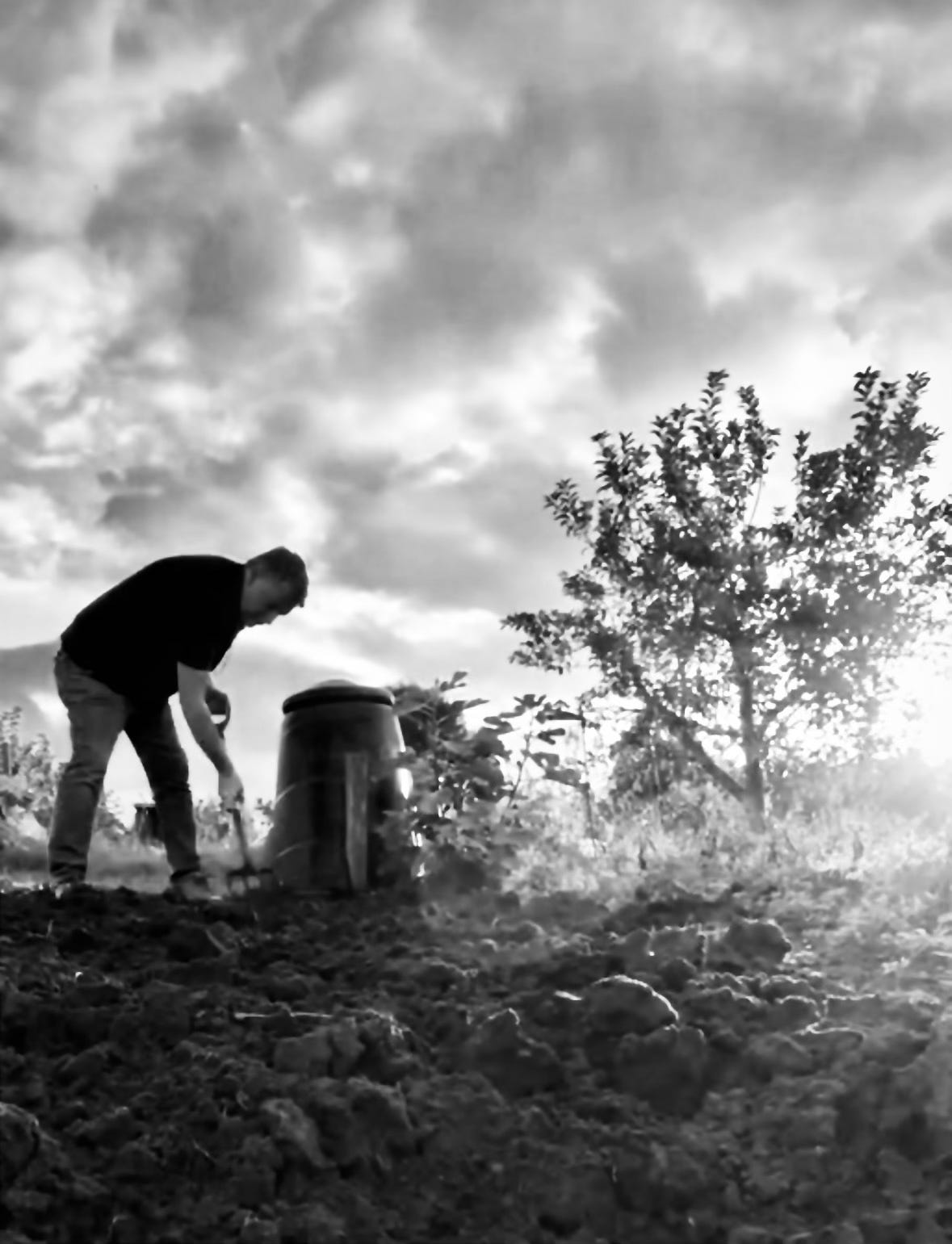
A black and white image of Gary Webb weeding a patch of soil beside a compost bin.
My good self, not in the act of double digging! (Not there anyway 😉)

The idea behind this text however, is not to deliberate on whether double digging or no dig is best, or if any gardening method is superior to another. My reflections here are wholly centred around the evolution of horticultural practice, of collective and individual learning, and of thoughtfully managing change.

Continue reading →

Walks and Wild Words

Won’t you come and crunch some acorns with me? Fact, fiction and times past, all woven crudely together and unravelled here, in this short story search for purpose.

Early one autumn morn during a country walk, I happened across an impressive holly oak tree, where I chose to sit for a while. There, I was to discover not just a handsome tree but a potent place, one that offered a lens through which landscape and life could be viewed.

Prior to that deep-seated moment, I’d been drifting in and out of thought whilst stomping up a hill, upon which oaks and yews had lived for a century or more. Boughs from path side trees formed an impressive tunnel overhead, but my eyes were mostly flitting from fronds beside the path one moment, to fungi living on fallen wood the next: all the while crunching over acorns strewn all about, it being a mast year.

After a few minutes of continual climb, I was drawn by some light glowing from the side of the track, although given the seemingly never-ending weather pattern, it wasn’t so much a burst of sun, but a brief patch of brightness. Nevertheless, whilst standing there appreciating that burly oak’s silhouette, a narrow track appeared before me, so through the ferny foliage I duly stepped, unsure if I was simply exploring the place, or had been summoned to it.

Continue reading →

A Gardening Connection, at BBC Gardeners’ World Live.

You presently find me fully inspired after a visit to BBC Gardeners’ World Live at the N.E.C. in Birmingham. If you know me personally, the mention of attending a garden show might take you aback, as my preferred place of comfort would by choice be somewhere much calmer: a quiet corner of a wildflower filled garden, maybe a woodland trail, the allotment or seated on a bench in my garden. After a successful show visit therefore, to now sitting back reflecting with wholly positive thoughts, feels pretty good indeed.

Generally speaking, thinking of how we’ve moved from the local village garden show to the likes of BBC GW Live is hard to fathom. Dozens of trade stands, bottle-necked thoroughfares and variegated willows whipping you in the face when least expected. Weary stall holders wilting under the heat of a marquee alongside their perfectly grown plants, and bite-your-lip moments due to those infuriating push-me pull-me show trollies; possibly the very best and worst garden show product that ever there was!

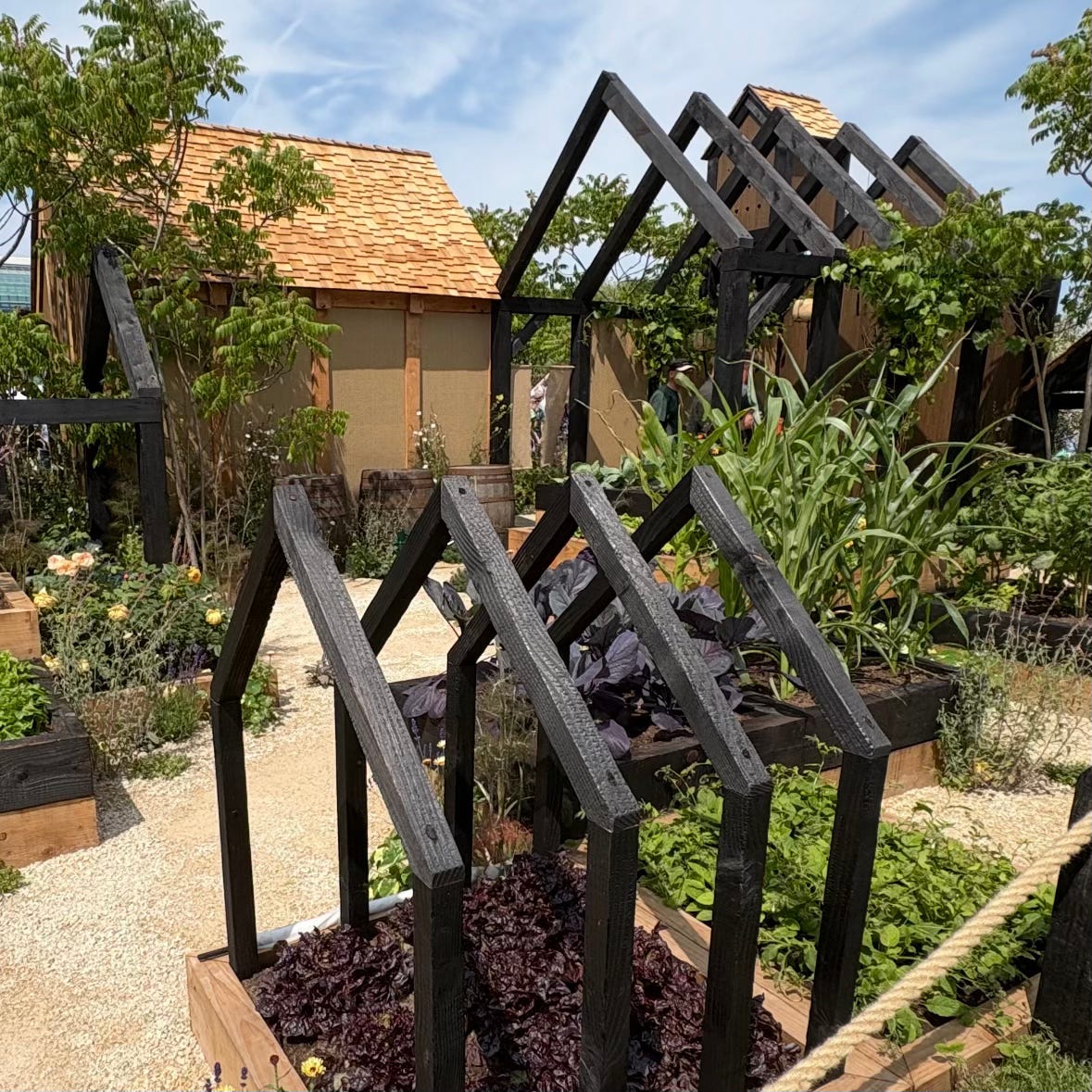
The Plant Based Garden, by Nick Bailey

It might all sound a bit much, and in some ways it is, but there is a reverse side to the coin: a glorious and gigantic garden show in the blazing June sunshine that features the very best early summer flowers. Garden shows of this size, therefore, are meant to be exciting and busy places, and can assault your senses; but there is balance and payback if you seek it. I like to think of large garden shows as magnets, working as super central places where all and sundry converge on one location which is, let’s face it, as convenient as it gets.

Continue reading →

Tortured Tree – Planted but not forgotten

My discovery of an ill-fated tree on a wooded hillside, a tree striving to survive and play its part for our world – a reworked essay from Gardening Ways 2017.

Time travelling back to a tree planting day on a gentle hillside a century or so ago, I picture a fresh-faced country character with their sleeves rolled back and a bead of sweat beneath their flat cap, standing back to admire their work. They, like us now would have wanted only the best for this tree that I now stand before, especially after digging into this heavy ground that I know to be stone filled and stubborn.

As for any tree planter today, our character would have wished for this tree to establish well and prosper, feeling equally sorrowful and comforted knowing it would hopefully remain long after they themselves had breathed their last. Nodding to the future then, they’d have prayed for a mild season or two to ensure that its shoots would get away and its roots would establish well, binding the tree to that spot for generations to come.

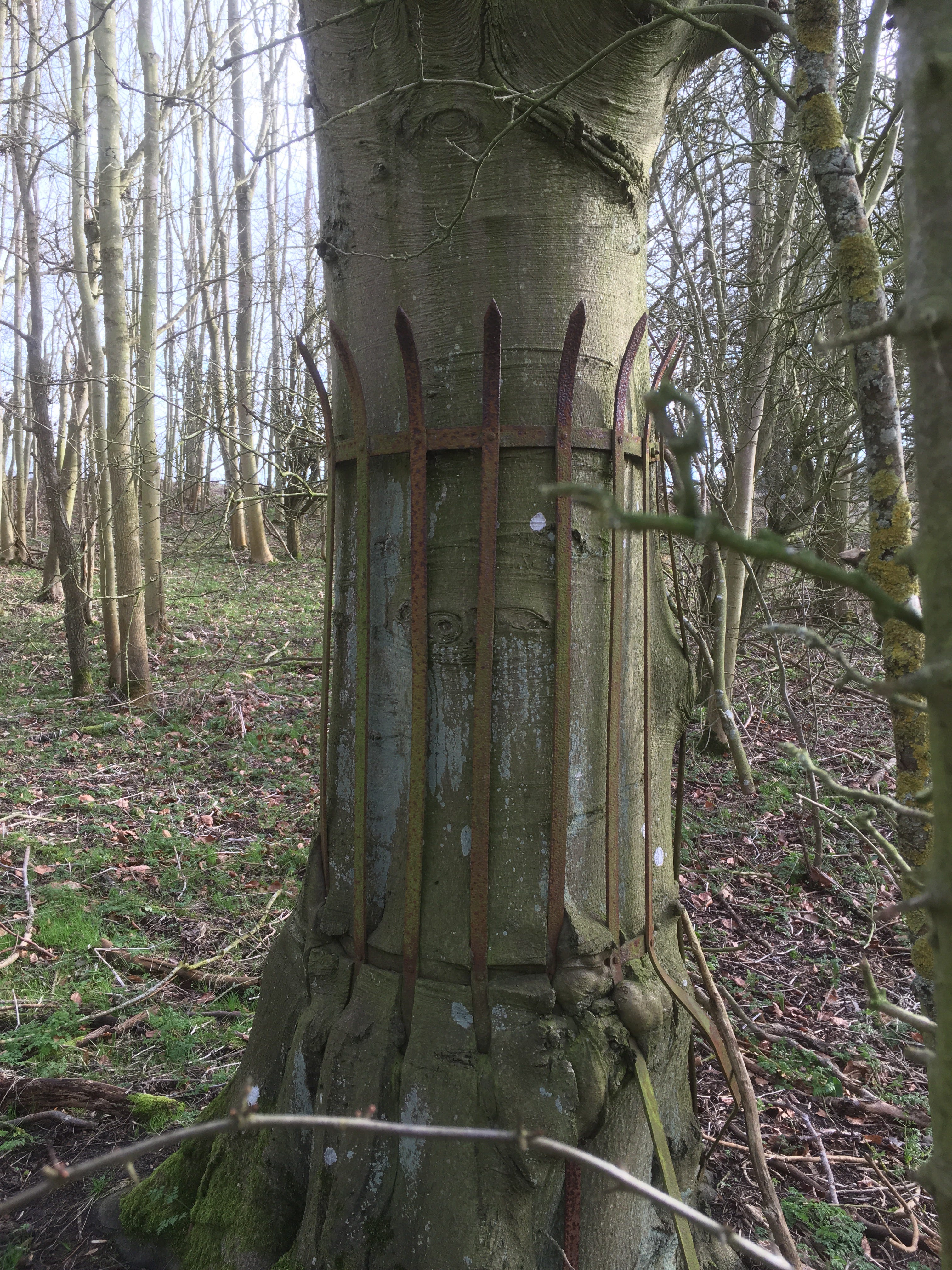
A beech tree encapsulated in a rusting tree guard that should have been removed long ago, set in a thin woodland.
Until you see it, I mean really see it, it’s just another tree in the woods. G.Webb.

After firming down clods of earth with the heel of a hobnail boot, the planter would likely have scooped water from the nearby lakeside to settle its roots, then fixed in place a strong protective frame to guard it against attack; a metal cage likely to have dwarfed the infant tree but certain to keep it from harm. Little did they know that despite the most caring of intentions, their actions condemned the tree to a torturous future.

Continue reading →

Fresh Air and Fruit Trees

Getting closer to a pruning day between the branches.

Gary Webb

With heavy curtains drawn tightly together, it may have been hard to notice that day was breaking outside and the sun was readying itself for an appearance. As our gardener raised their head from a warm pillow though, even with half opened eyes, they knew exactly when and where the sun would appear and importantly, when it was due to retire.

Preparing for a cool winter’s day outdoors, our weathered tested gardener dressed themselves, adding quilted layer upon layer in the hope of finding that magical working balance between not too warm, not too cold, and actually remaining mobile. As if on auto pilot, they shovelled down breakfast, prepared and packed a hearty lunch and allowing for a moment of pause, moved on to lacing up some well-worn but ever-so comfortable boots. Finishing with a woolly hat pulled down over their ears, they headed out to the car for a familiar journey to work, their breath chuffing into the cool morning air.

Journeying to their work’s garden, rays from the blindingly low sun glimmered through the driver’s door window, flashing repeatedly through the ancient hedgerow trees as the car whooshed along the lane. The cloud-free sky was becoming brighter by the second and promised a dry, if cool working day. Today, they thought, might be the day to finish the orchard pruning, a task they were keen to complete, for spring was in the air and the sap was beginning to rise.

The day started with picking up debris from the previous day which was in itself unusual, for they usually preferred to clean up as they worked. Yesterday though they had pushed on pruning until night fell, being keen to complete an especially large tree. With light falling

Continue reading →