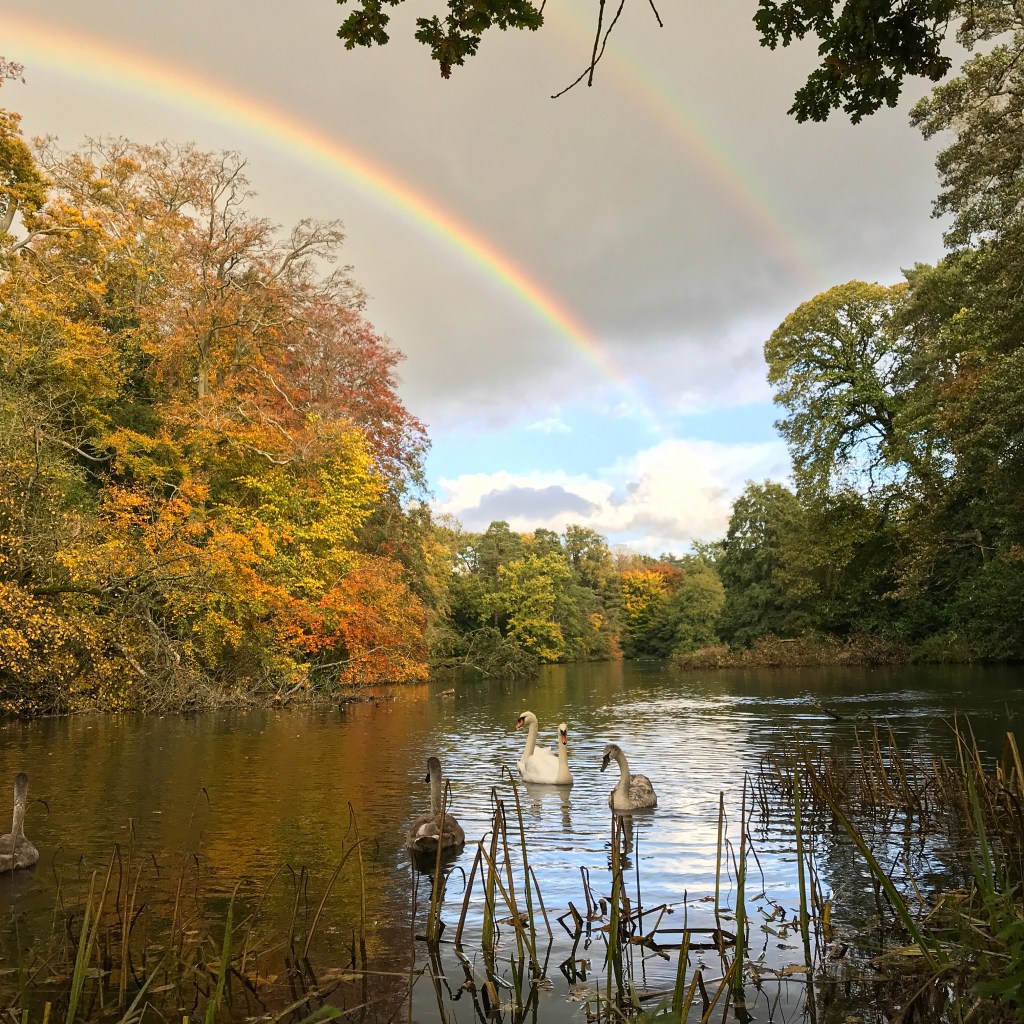
Digging, I push through dark earth, busily clawing my way forwards, behind me pushing scoops of loosened grub-free soil. If I could, I’d leave no sign of my existence at all, preferring by far to live below ground out of sight, quietly tunnelling and forming my subterranean world, only surfacing to taste fresh air from the midst of my mountainous mole hills.
Existing in your world and mine too, I take no solace or consolation from the sun or stars above as you might, or the clouds or trees for that matter. I live in and for the soil. My focus is close, my ambitions are kerbed, and my territory is limited by nature; I know exactly where I’m at.
You will know where I’ve been though, for whilst I can be inconspicuous, my industrial spoils are heaped in plain sight. My earthen foothills
Well, I’m back again with my re-shooting garden journal just as promised. Mind you, given that gardening for me is somewhat thin on the ground just now, I’ll concede that the ‘garden’ part as mentioned in the title could be considered somewhat misleading. I implore you to stick with it however, as gardening will feature if you can read on long enough!
Generally Speaking
It seems odd that already we’ve turned enough diary pages to see us comfortably beyond the second full working week of the year, and memories of that Christmas break along with January’s wolf moon itself are fading fast. Over the course of winter, like many others, I too hear that inner calling to hibernate, or in the very least a plea to slow right down and take things easier. Nevertheless, with a level head, I also hear the mightier cry to pay off those festive bills; so also like many others, my Christmas default position rests somewhere awkwardly between work, rest and play.
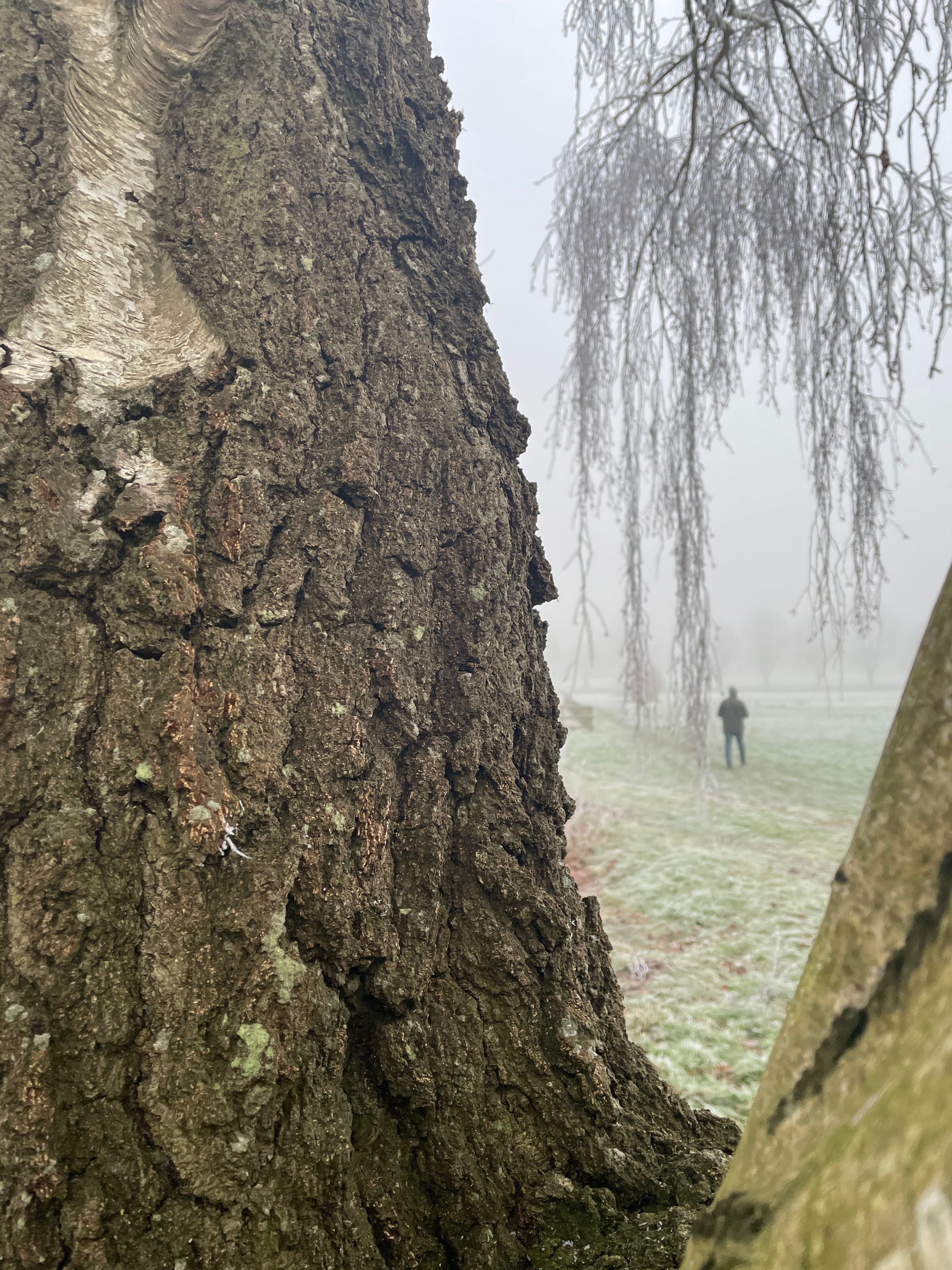
Yes that was my good self, captured out stretching my legs last weekend…
In all fairness though, whilst for many the Christmas period can be incredibly busy and stressful, I do count my blessings in being able to ease back on the throttle for a few precious days and take things easier. During the holidays then, whilst overall the usual lively family time was enjoyed, I was still able to carve out time for some much-needed reflection and contemplation. Through reading, some atmospheric local walks and meditation, which have become hugely important to my wellbeing over the last two years or so, I thankfully glided through the season unscathed and felt somewhat refreshed – if only it had lasted!
In the Garden
Thankfully, whilst in my home garden little is moving, I’m glad to say that we, as in Mrs. W. and myself have successfully achieved our first 2025 session at the allotment garden. To be fair the session could have waited, but with the weather, ground conditions and a time slot opening, it felt good to get the gloves on and to at least do a little towards the new growing season.
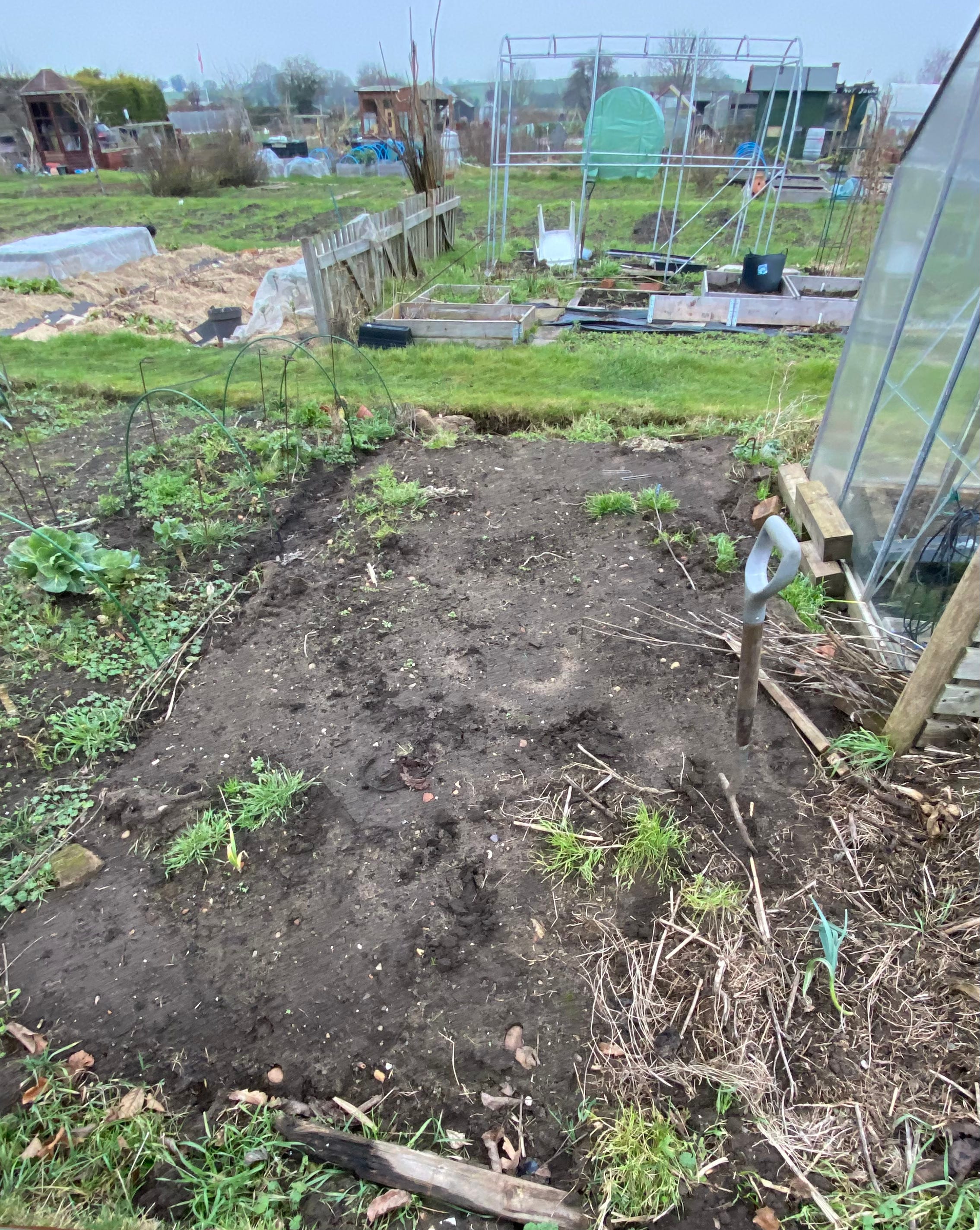
Before work started it all looked a little bit sad, but the weeds were having a ball for sure!
Understanding that some plants offer useful winter refuge for wildlife, we tentatively started by cutting hard to the ground last season’s ornamental woody herbaceous growth. Knowing that some dried stems can be useful as food or nesting material for birds in the coming weeks, the ones pruned were all the other random sticks, the ones useless to man nor beast. All the pruned material was removed away to the compost bin – everything being recycled.
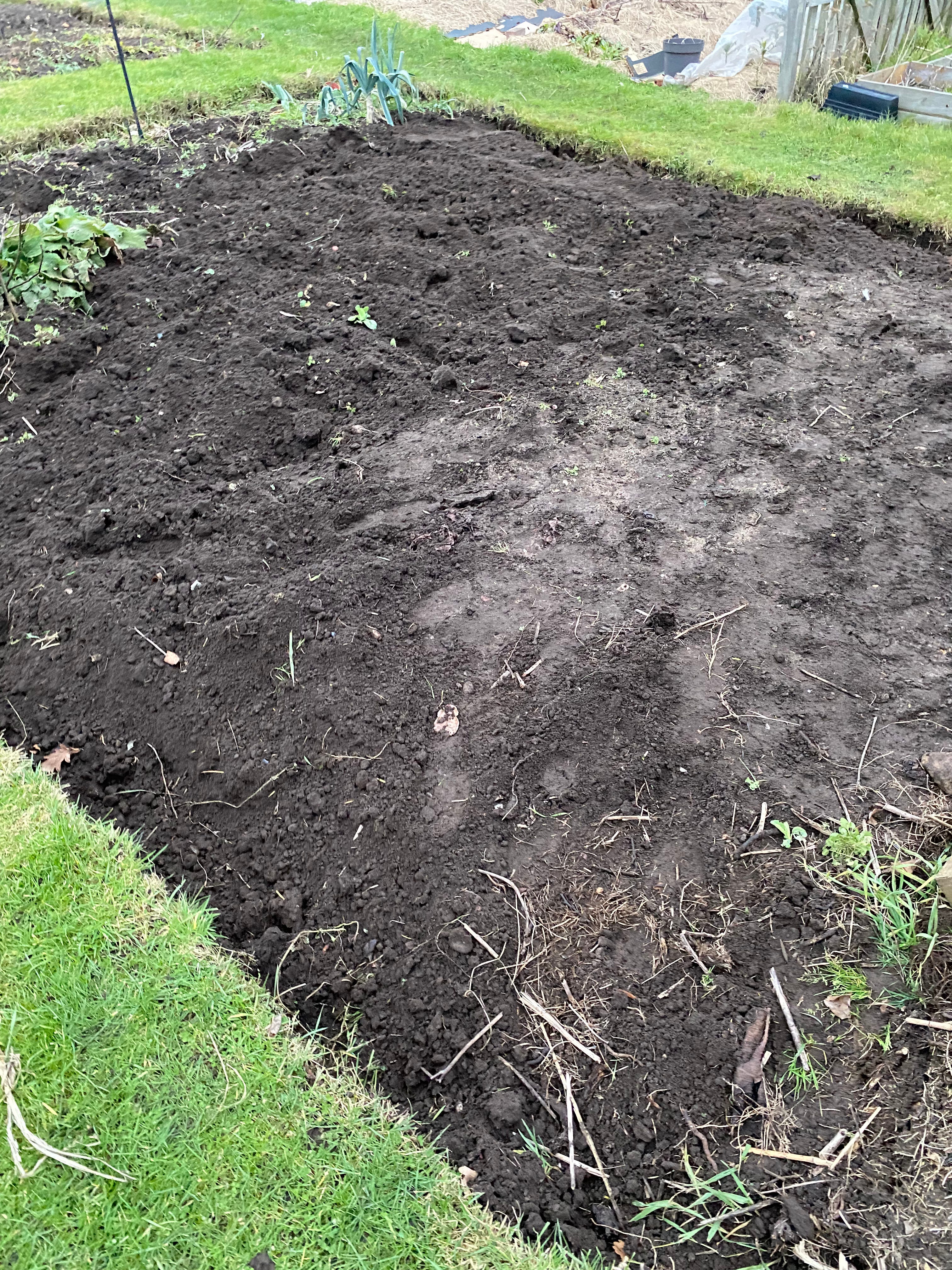
Elsewhere on the plot I set about cleaning up the space where last year’s pumpkins were grown and an adjacent weedy bed with a few unproductive cabbage stems. In this space, previously mostly covered with matting, the task was to tease out the weed growth initially, and particularly through the middle and around the perimeter where weeds have been trying to get a foot hold; relatively straight forward all things considered.
At least I know where I’ve been…to be continued…
Going forward, my plan is to sub-divide this large bed into four strip beds, each four feet across with narrow paths in between. As tested elsewhere on the plot, the strip system makes it easier to work the soil from each side without stepping on the growing ground at all: a long-established method of growing that preserves the soil, one that will better contribute to my goal of no-to-minimal dig growing. Once the last of the weeding is complete in this space then, I shall look to carve out and establish the paths and bed areas, which worked really well elsewhere on the allotment last year. Finally I shall cap over the beds with compost to enrich the soil.
Looking Ahead
Without wanting to overshoot my garden journal stay which is intended to be short and sweet, I will roundup by swiftly looking ahead to my gardening activity in the next week or so. Hopefully, time may present itself to return to the plot, but of prime importance is the need to secure some seed potatoes that will need chitting in the coming weeks; more on that in due course. Otherwise, I shall be looking to acquire some onion sets and seeds, so some retail therapy is definitely in my stars.
Finally, as bird nesting season approaches along with some more challenging weather no doubt, I shall be continuing to provide clean water and fresh seed in the garden. Oh yes, and I’ve also a new bird box to install, but not before some small-scale decorating to make the birds feel welcome – all TBC!
For now, I’ll wish you all the best, and will sign off from my first garden journal edition.
Regards, Gary Webb. Gardening ways.
Sunset over Charlecote way, captured on a late afternoon head clearing stroll…
During these midwinter weeks here in the UK, the accepted norm is not to head out mowing the lawn each week; indeed trimming, weeding or feeding the garden generally takes a backseat. Contrary to popular belief though, during these colder months gardeners don’t stash away their tools, kick back in the shed whilst drinking hot chocolate and peruse seed catalogues. In fact, for many skilled and professional horticulturalists, easing back isn’t even up for discussion.
Tending larger or public gardens and green spaces does call for year-round activity, and thousands of trained ‘horts’ are directly employed in positions across the country, not to mention thousands more who work in supporting trades feeding into a vibrant plant-based industry. On the ground though,
I find myself sat under a large triangular shelter, built snugly into the southern corner of a three-sided walled garden open to visitors, known as Baddesley Clinton. In their down-season dress, ornamental flower borders line three of the garden’s walls, sprinkled here and there with red bows bringing a little Christmas cheer. The sky is fixed grey and moody, and after warming myself with lunch in the bright bustling café, this spot seemed as good a place as any other to sit awhile and write.
A little Christmas cheer, at Baddesley Clinton. Image: Gary Webb.
Built primarily as a shady summer retreat, I’m certain that in the heat of summer, this shelter offers cool respite for visiting guests, and for working gardeners too. In this shade, time served timbers and darkened joists support a thatched mossy roof, under which a tangled bird’s nest rests in the shadows; just like me. Red bricks line the floor,
It’s about more than just buying a specimen plant or container, its the journey and experience it offers along the way. Let me explain, through Worth and Wonder.
Growing large plants in containers can be hugely rewarding, whether you’re looking to create an eye-catching floral focal point or simply provide some seasonal screening. Once you’ve found your specimen plant however, selecting the right container can become a trying task due to the seemingly infinite selection on the market. Furthermore, should design, depth and diameter of drainage holes not present enough challenge, the high cost just might, often nudging that idyllic pot solution into the ‘out of reach’ zone.
Putting aside aesthetics for a minute, one judgement we need to make is whether any given pot is sturdy enough to stand the test of time. In that respect it’s worth remembering that it’s not just the ageing process that dictates longevity, but damage from
We often hear it said that rain is good for the garden, a typical response meant to lighten the mood of a rainy day. Where though, does a rainy day leave the gardener, is a rainy day good for them too? Well, after years of living and around gardens, here’s my naturally positive take on this situation.
After what seems like days and weeks of rain, autumn’s dampness has well and truly settled in, and it feels like I may not see dry soil in my own garden again for some time. I don’t state that as a complaint though I have to say, as I’m understanding that weather’s balance constantly moves back and forth, some days or weeks sitting wet, some dry, and in between, hopefully, there comes some useful middle ground.
When the weather turns – Sourlands Pool, nr Farnborough Hall, Warwickshire. Gary Webb.
Where gardening and garden visiting is concerned, striking that perfect balance between weather and conditions can be a fine thing indeed, and most of us do live in hope of this garden idyll. If, however, I’m to wait until the soil is dry, or postpone
I might have sunk into the depths for a while there, but I’m back now and getting into my old writing ways, on gardens and nature.
If you gave me the stage with an open mic, words would probably fade and I’d likely find myself with little to say of consequence. However, if you gave me a scribbling stick and asked me to write something down, I’d likely be back to you in no time at all asking for more paper, and a pencil sharpener. Writing does something for me, and over time it’s grown to the point where I couldn’t imagine living without it in some shape or form. Lately however I have needed to step back a little.
Recovering from illness, I’ve hardly found myself not able to write for a few weeks now, and I have genuinely missed it, indeed my last post back in April took quite a while to pull together. Feeling under parr has made it
A valuable first hour of the day watching the garden and day unfold.
Being the first to awake, I pull back the living room curtains to let in the light, and reveal the garden. Sitting with a mug of hot water and taking time to appreciate some waking time alone, I relish the fact that for a while at least, all is calm. All is calm, that is, but for the occasional airplane and birdsong, both effortlessly travelling through air, brick, and glass.
Outside, bright sunshine splits the early morning garden clear in two, two thirds to the left is bathed in warming light, the remaining third looking somewhat cooler in shade. It’s a superbly serene beginning to the day, and as I sit quietly observing, blocking out the day ahead and thinking over the work that’s gone into the garden thus far, I begin to write.
Cloud pruned box just outside my window. Gary Webb
The scene before the picture window presents a young, maturing garden, green mostly and bordered by a fence recently painted black. As a composition, the garden’s content has been laboured over for some time, ideas initially
Do you find that some gardens are so large and complicated that it’s hard to really connect with them? Occasionally I find this to be the case, and often it leaves me feeling a little cold towards them. That’s not to say I don’t always like what I see, it’s just that some places can be so extensive or so busy and involved, they’re a challenge to understand.
Now, this isn’t such a problem if I’m simply looking to enjoy a garden’s ambience and spirit, and if that is the case I just breeze around a garden and enjoy it for what it is. Indeed, some gardens which initially seem hard to read can become even more